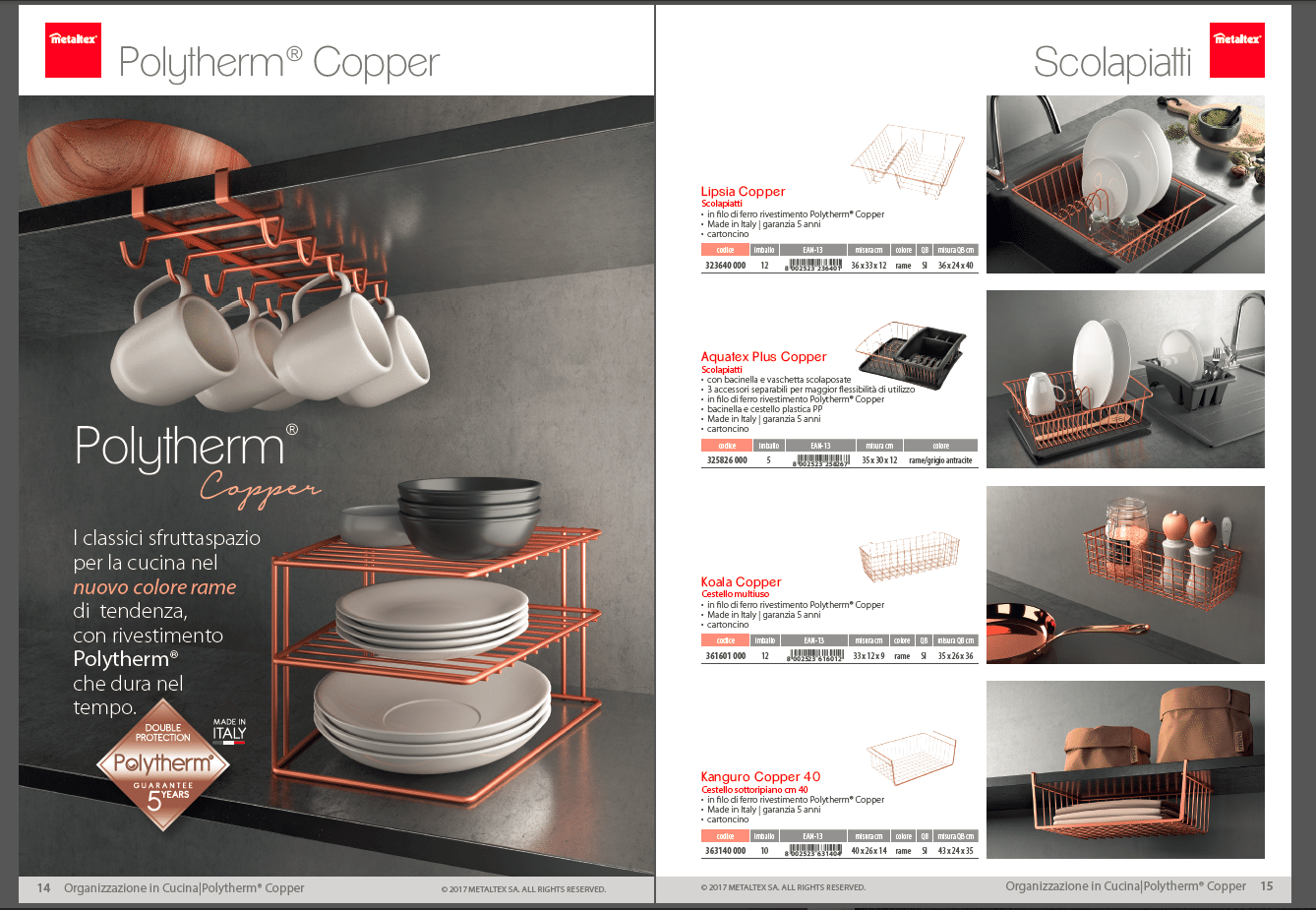
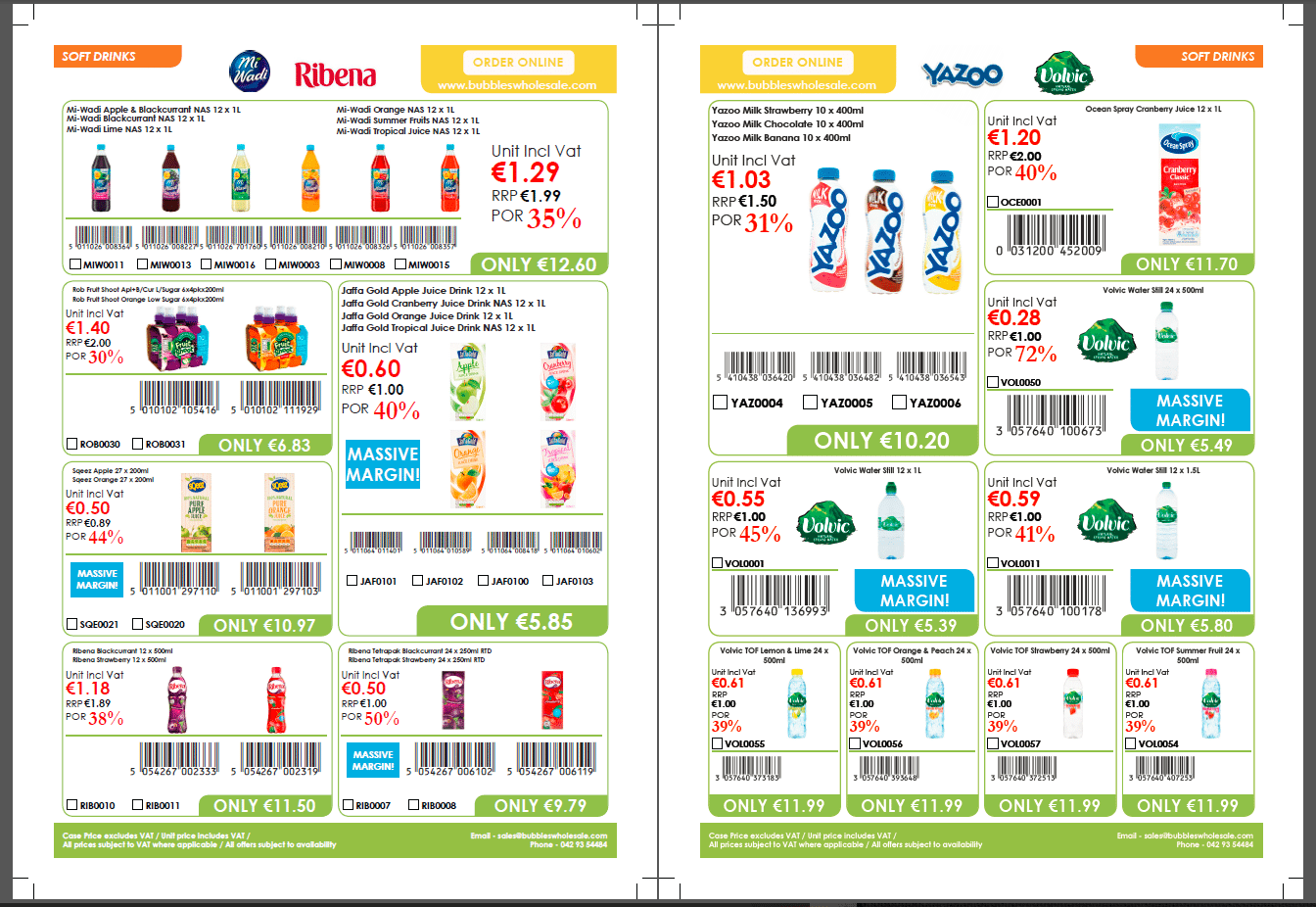
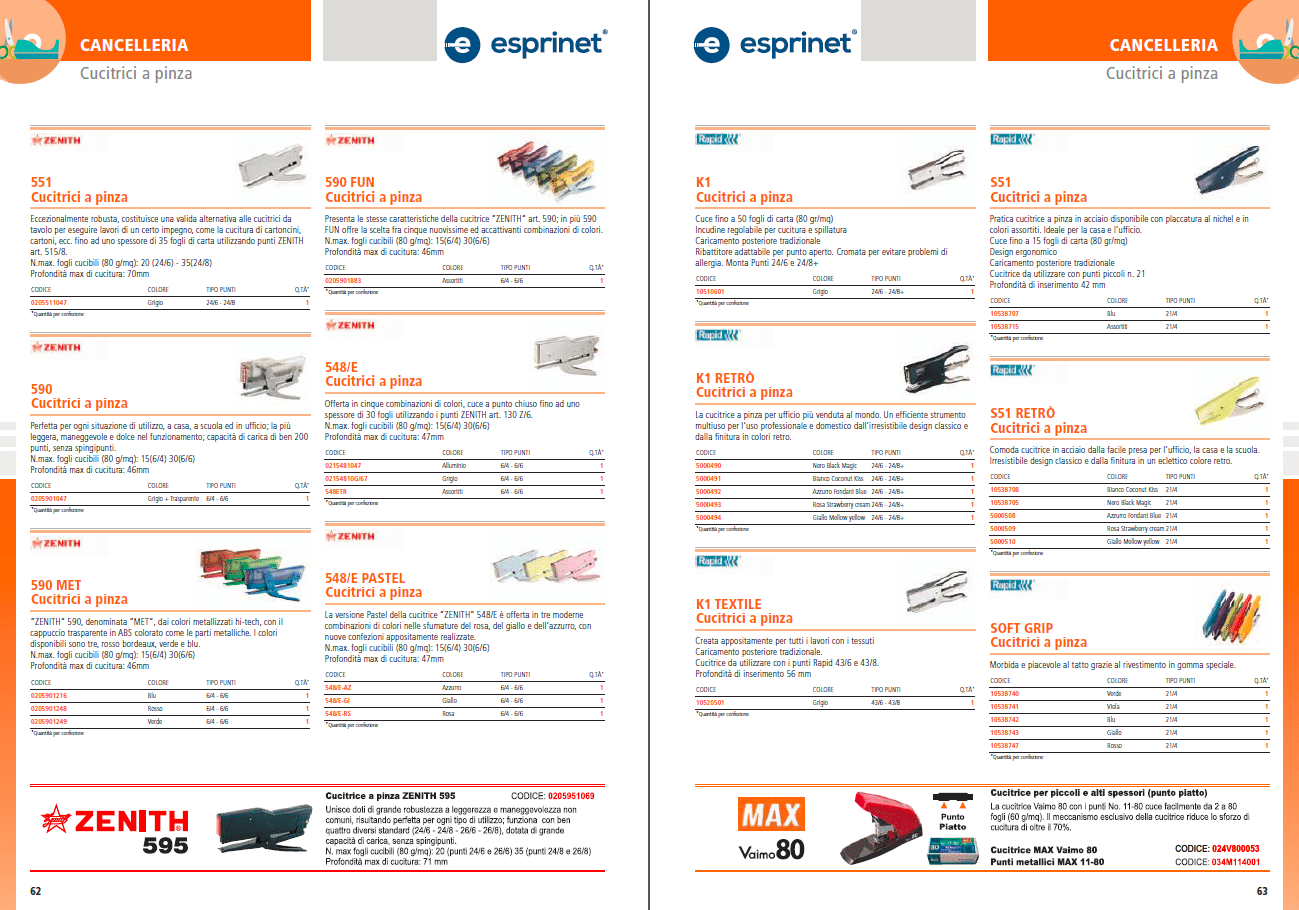
In B2B sales, your catalog is more than just a list of products: it’s often your first conversation with the buyer. Long before a sales call or meeting, potential customers will browse your catalog to learn about your products and how you present them.
A well-designed B2B catalog displays SKUs, but also tells your brand’s story through structure, clarity, and design. It helps consumers navigate complex product ranges, evaluate options, and make informed purchasing decisions.
Today’s business customers expect accurate, searchable, and visually consistent product information everywhere, whether you manage thousands of industrial components or a selective portfolio of high-end goods. Meeting this expectation begins with how you create and manage your B2B catalog.
What is a B2B Catalog?
A B2B catalog is your brand’s complete product portfolio, presented in digital or print form for business customers. It communicates your offering with clarity, consistency, and precision.
Unlike consumer catalogs, it includes complex pricing structures, detailed technical specifications, and purchasing terms that B2B customers require to make informed decisions.
Modern B2B catalogs come in multiple formats:
Printed catalogs distributed at trade shows or to key accounts
Interactive online catalogs embedded directly on your website
Downloadable PDF catalogs for offline reference and sharing
Shoppable digital catalogs with integrated ordering capabilities
How B2B Catalogs Differ from B2C Versions
Business catalogs serve a fundamentally different purpose than retail catalogs. Here’s what sets B2B catalogs apart:
Technical depth: Detailed specifications, compliance certifications, compatibility charts, and engineering drawings help buyers evaluate fit.
Purchasing workflows: Minimum order quantities (MOQs), lead times, bulk pricing, and distributor availability guide procurement decisions.
Multi-user access: Different stakeholders (purchasing managers, engineers, executives) need access to different catalog information.
Because of this complexity, managing a catalog manually can be time-consuming and prone to errors, especially when products or prices change frequently. By using catalog software like Pagination, you can automatically create multiple price or language versions from the same InDesign template, simply by connecting different sets of data.
6 Reasons Your Business Needs a Digital B2B Catalog
Centralize your product information
A catalog gathers all product data, specifications, and prices in one structured reference document, ensuring accuracy and consistency across departments and teams.
Support multiple sales channels
Equip your agents, distributors, and resellers with a unified tool that clearly presents your entire product range, helping them sell more effectively and confidently.
Scale across global markets
Create localized versions of your catalog for different countries or regions, with translated content, local pricing, and tailored assortments.
Accelerate your sales cycle
Give prospects and partners immediate access to comprehensive product information, reducing the time needed to respond to requests, prepare quotes, or confirm availability.
Maintain a competitive advantage
A professional, well-structured catalog strengthens your brand image, builds trust with buyers, and demonstrates reliability and attention to detail.
Keep product data always up to date
By using a catalog maker, your catalog is generated directly from your ERP, PIM, or other data sources, updates to prices, codes, or descriptions are reflected quickly and accurately in every version.
Take Your B2B Catalog to the Next Level with Pagination
Keeping your B2B catalog accurate, consistent, and up to date across multiple markets and channels is no small task. Manual updates in InDesign or Excel take time, increase the risk of errors, and slow down your team’s ability to respond to product or pricing changes.
Pagination eliminates these challenges by automating the creation of catalogs, price lists, and product sheets directly from your ERP, PIM, DAM, or Excel data.
Your content flows automatically into your InDesign template, generating fully formatted and brand-consistent documents in minutes: editable InDesign files and print-ready PDFs ready for web or print distribution.
Update thousands of SKUs instantly whenever data changes
Produce multilingual or market-specific versions automatically
Ensure data accuracy and brand consistency across every document
Free your marketing and design teams from repetitive layout work
Used by global manufacturers, distributors, and financial institutions, Pagination transforms your B2B catalog workflow into a fast, reliable, and scalable process.
Ready to simplify and speed up your catalog production? Watch our demo to see how Pagination database publisher can help your business create professional, data-driven catalogs in minutes.
Publishing a product catalog or a price list is a challenging task that can put pressure on even the best marketing teams.
You can use Pagination, the Catalog Software, to automatically create beautiful documents in just a few seconds that are always ready for print or digital distribution.
To provide the best experiences, we use technologies like cookies to store and/or access device information. Consenting to these technologies will allow us to process data such as browsing behavior or unique IDs on this site. Not consenting or withdrawing consent, may adversely affect certain features and functions.
Functional
Always active
The technical storage or access is strictly necessary for the legitimate purpose of enabling the use of a specific service explicitly requested by the subscriber or user, or for the sole purpose of carrying out the transmission of a communication over an electronic communications network.
Preferences
The technical storage or access is necessary for the legitimate purpose of storing preferences that are not requested by the subscriber or user.
Statistics
The technical storage or access that is used exclusively for statistical purposes.The technical storage or access that is used exclusively for anonymous statistical purposes. Without a subpoena, voluntary compliance on the part of your Internet Service Provider, or additional records from a third party, information stored or retrieved for this purpose alone cannot usually be used to identify you.
Marketing
The technical storage or access is required to create user profiles to send advertising, or to track the user on a website or across several websites for similar marketing purposes.