Catalog and Price List Automation for Beverage Distributors

Pagination automates multi market price lists and catalogs for wine merchants, spirits importers, beverage wholesalers and food service distributors.

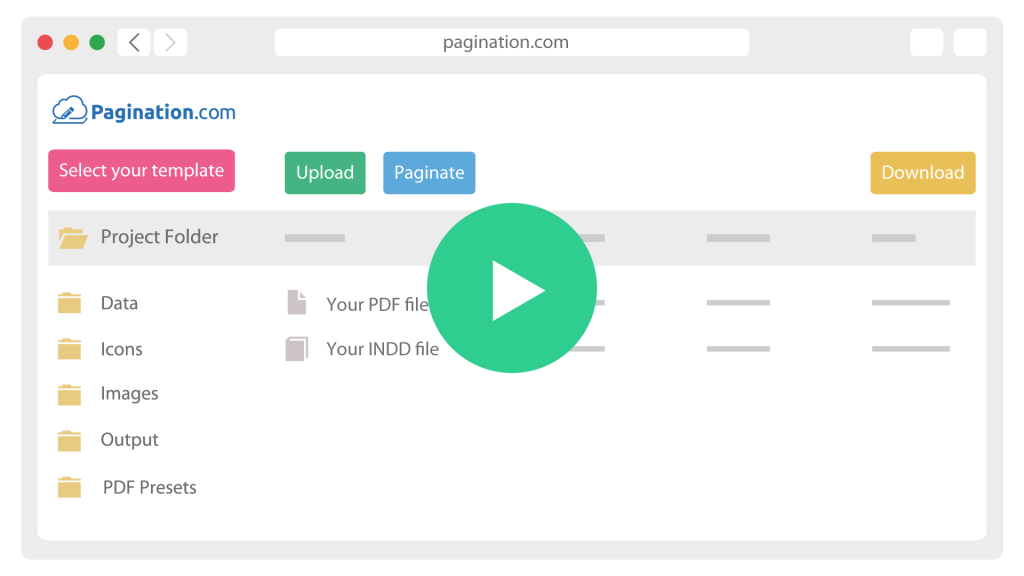
With one data source and one InDesign template, every market, category and customer version can be generated automatically as print ready PDF, packaged InDesign or editable Excel output.

Automating Price Lists for Beverage Distributors

icon__upload-data
1

Connect your data

Pull products, prices and assets from your PIM, ERP or Excel file, via API, FTP or upload.

icon__paginate-document
2

Generate every edition

One InDesign template renders each region, dealer tier and language, placing prices, certifications and drawings automatically.

icon__download-files
3

Distribute and archive

Export print-ready PDF, packaged InDesign or Excel, and keep every edition archived by date, market and tier.

Why Generic Catalog Tools Struggle With Beverage Distribution

Most catalog automation tools were designed around stable industrial SKUs. Beverage and food distribution catalogues work differently, and the differences are structural.

Vintages Change Faster Than The Catalog Layout

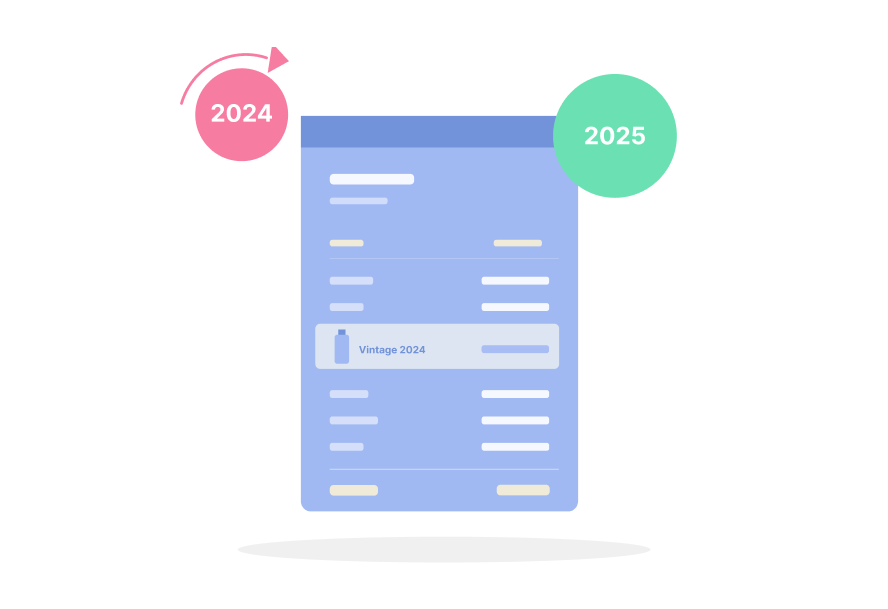
A product catalog may keep the same structure for years, while vintages, availability and product status change several times per year. The document has to reflect those changes without forcing the team to rebuild the layout. In wine wholesale specifically, the harvest year (vintage) and the bottling year are not the same thing and both end up on the price list, driving grouping and sorting in ways a generic catalog tool cannot handle when it treats the year as a free-text suffix on the product name.

One Product Can Have Several Commercial Versions

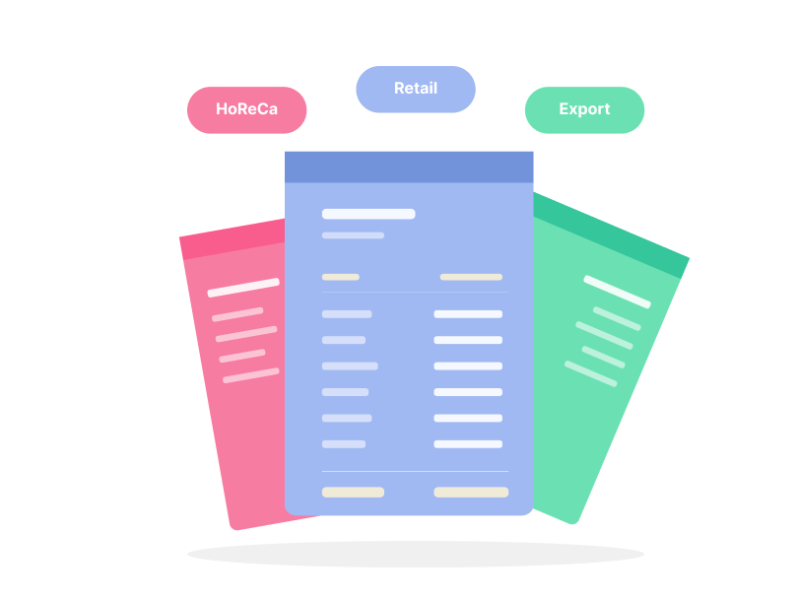
A distributor price list is one price per SKU per dealer tier. With distributor price list automationPagination applies a global or per-category coefficient to the base price at generation time, so each buying group and regional partner gets its own version from the same master list. 

Pack Composition Affects The Way The Product Is Sold

Certification marks and engineering drawings belong to specific SKUs and markets, and they change on their own schedule. Retyping them into the layout is how expired marks and missing declarations reach print. Pagination places certifications as data-driven fields and drawings as linked per-SKU assets, so when the source record changes, every document follows.

Pagination has been running beverage and food distribution workflows in production for years.

Kate & Kon is an Austrian wine and beverage wholesaler producing Austrian, German, Bubbles (sparkling) and Export price lists from one InDesign template since 2018.
The same architecture has supported recurring price list production across multiple cycles per year.

Beverage Catalog Automation For Wine, Spirits And Wholesale Distributors

Need Pagination workflow
Multi market price lists Generate domestic, international and export versions from the same source data
Frequent product updates Update pricing in the source data and regenerate the latest document
Vintage rotation Control visibility through data fields without deleting historical products
Bottling year Separate data field used for display and sorting (older bottlings shown first when commercially appropriate)
Pack format management Display bottles, cases, wooden boxes, magnums and other formats consistently
Trade and consumer prices Render two price columns from the source (e.g. trade vs consumer, B2B vs B2C) side by side or selectively per variant.
Allocation lists Show selected products only in named customer or channel versions
Terms and conditions Manage legal content as a separate block, then insert it during generation
Scheduled production Generate PDF, InDesign or Excel outputs overnight or on demand
Output archive Store generated editions by date, market and version

Start from a Sample of
Your Current Beverage Price List

The fastest way to evaluate whether Pagination fits your catalogue is to share a recent price list PDF and a CSV export of your underlying SKU data. A short review surfaces which sections can be automated, which rules need to be defined and what the first automated cycle would look like for your specific market mix.