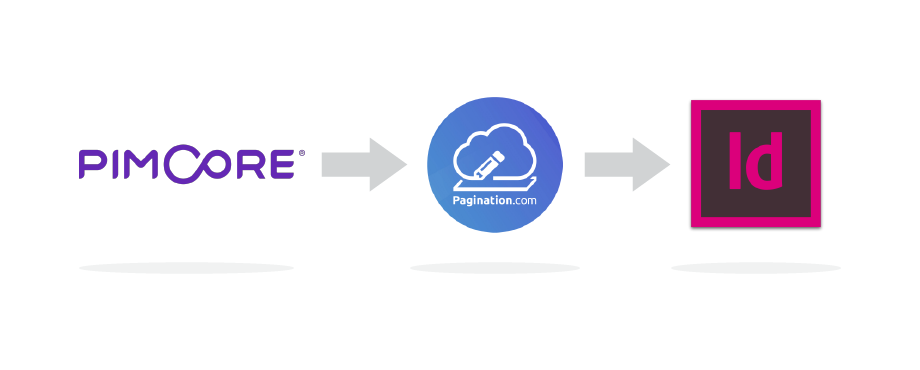
Many brands rely on Pimcore to centralize and enrich their product information, managing SKUs, attributes, media assets, and multilingual content in a single platform. This gives marketing, e-commerce, and product teams a reliable source of truth to feed every digital channel, from websites and marketplaces to apps and portals.
However, when the same data needs to be used to create catalogs, price lists, and product sheets, the process often becomes manual. Teams export files from Pimcore, clean and reformat spreadsheets, copy content into Adobe InDesign, and adjust layouts product by product. It is a slow, repetitive, and error-prone workflow.
- That is why many companies using Pimcore choose Pagination.
Pagination is a cloud-based database publishing that connects your Pimcore data directly to Adobe InDesign, transforming structured product information into professional documents automatically.
Why connect Pimcore to InDesign
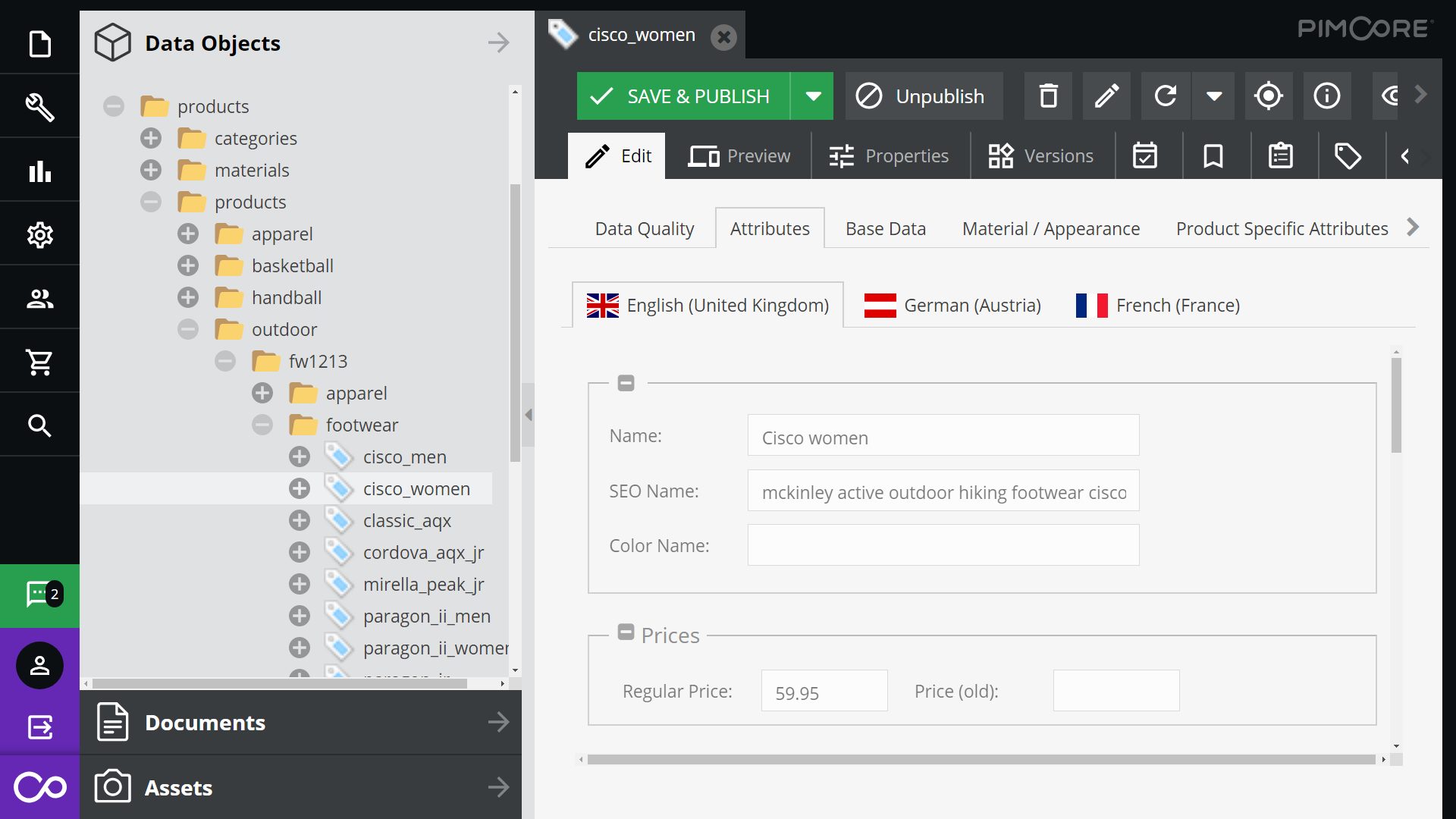
Pimcore already gives marketing and product teams a powerful foundation to manage and distribute consistent product content across all channels.
However, when it comes to creating printed or PDF materials such as catalogs, price lists or product sheets, the process often requires manual exports and time-consuming layout updates in Adobe InDesign.
By connecting Pimcore to InDesign through Pagination, that same high-quality product data can be used directly to generate professional documents automatically.
Your Pimcore data remains the single source of truth, while Pagination turns it into ready-to-use catalogs, price lists or other documents that stay fully aligned with your brand identity, without data duplication or manual design work.
How Pagination integrates with Pimcore

Pagination can connect to Pimcore through data exports or direct API integration.
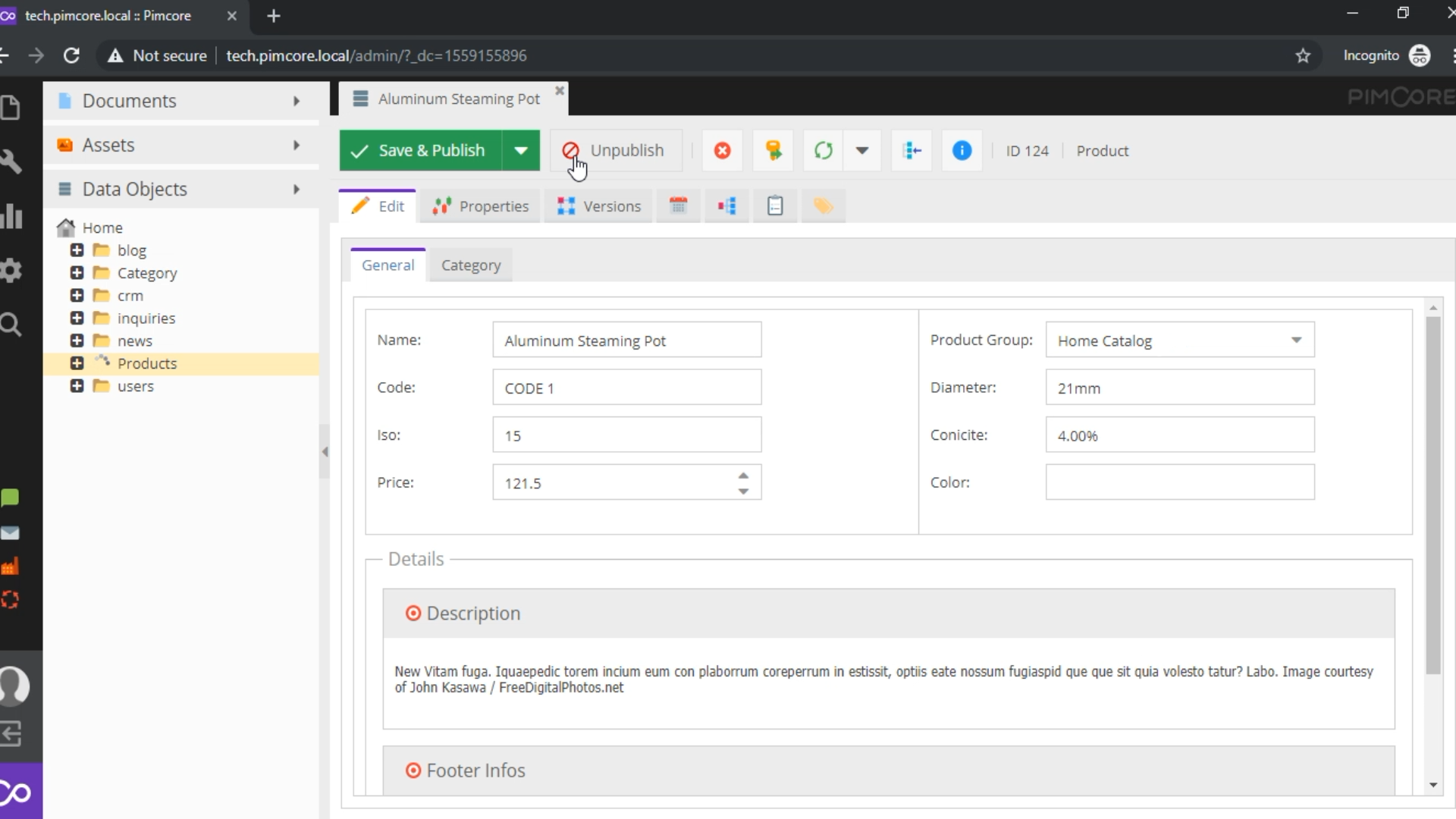
During the initial setup, the Pagination team maps each Pimcore object and field (for example products, categories, prices, attributes, segments, media) to its corresponding placeholder in your InDesign template, ensuring that every element appears in the right position and style.
This one-time configuration defines how your data flows from Pimcore into InDesign. Once the mapping is complete, generating documents becomes effortless.
- Your team simply uploads or syncs the latest Pimcore data, selects the document type or version, and launches the generation process.
In a few minutes, Pagination produces fully formatted InDesign and PDF files, ready for print or digital distribution.
Your designers retain complete creative control over the templates, while Pagination automates the population and layout of product and pricing data: complex catalogs, price lists, or sales sheets are turned into professional documents with just a few clicks.
Documents you can create automatically
With Pagination, your Pimcore data can power the creation of multiple types of documents, all from the same source, such as:
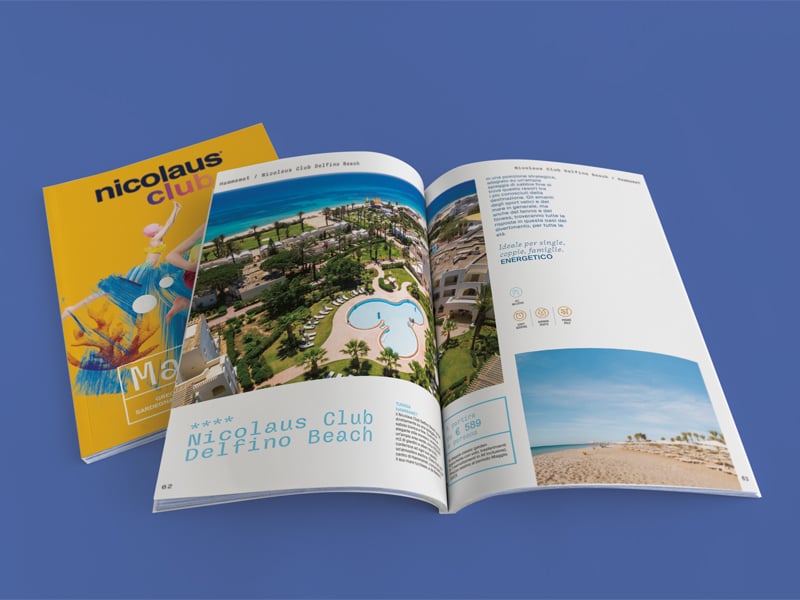
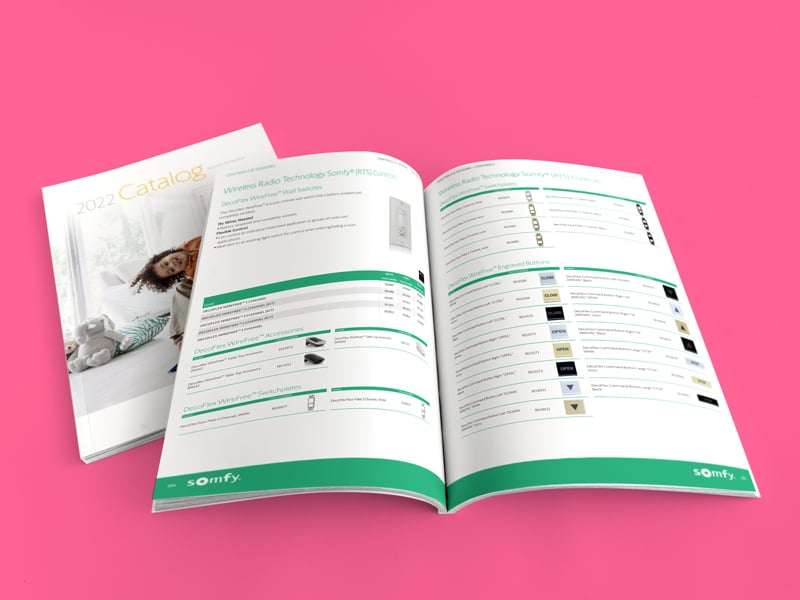
- Product catalogs for marketing, sales, and distributors
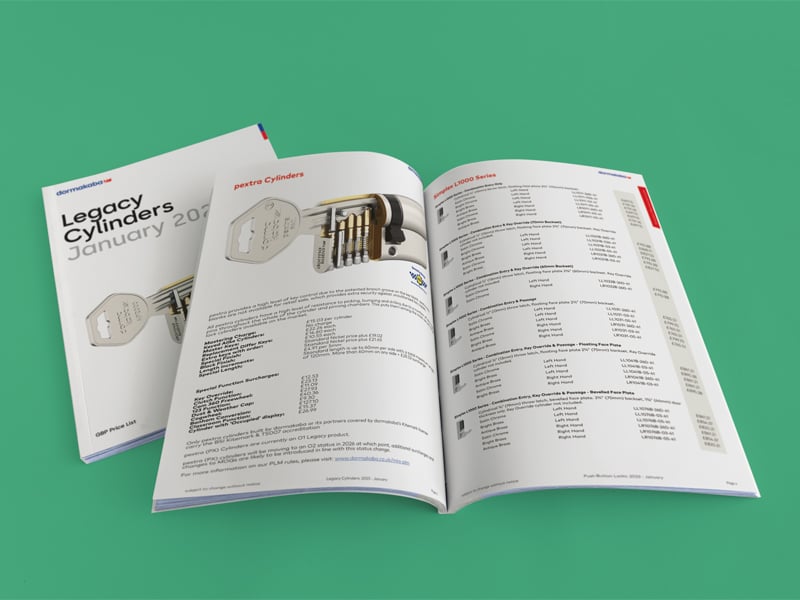
- Price lists by region, customer, or market segment
- Product specification sheets with detailed attributes and technical data
- Sales materials, quote supplements, and brochures aligned with your brand design
Each output can be tailored by market, language, customer type, or currency while maintaining unified design and data accuracy.