
A technical data sheet (TDS) is an essential document that conveys accurate and reliable information about a product’s characteristics, specifications and performance. Whether you produce industrial parts, consumer products, or chemical substances, a TDS helps customers, engineers and sales personnel understand precisely what your product offers and how well it functions.
What is a technical data sheet (TDS)?
A technical data sheet is a document that summarizes the essential technical features of a product, material, or system. It provides comprehensive information, such as physical and chemical characteristics, performance metrics, tolerances, compliance criteria, and application instructions.
In essence, it bridges the gap between product design and practical application. It helps users make informed decisions while ensuring uniformity in production, sales, and quality control.
Most TDS documents are available as PDFs, HTML pages, or XML files, which allows for easy sharing, printing, and incorporation into product databases and online catalogs.
Students learning technical writing often practice and create structured documentation, sometimes using a college essay writing service for academic support. This foundation helps them create precise data sheets requiring accuracy and consistency in engineering contexts.

What a technical data sheet includes
A complete technical data sheet generally contains:
- Product identification: name, code, version, date
- Technical specifications: measurements, materials, tolerances, test results
- Performance data: efficiency, durability, temperature or pressure ranges
- Compliance and certifications: ISO, CE, REACH, RoHS, etc.
- Application instructions: usage guidelines, safety recommendations
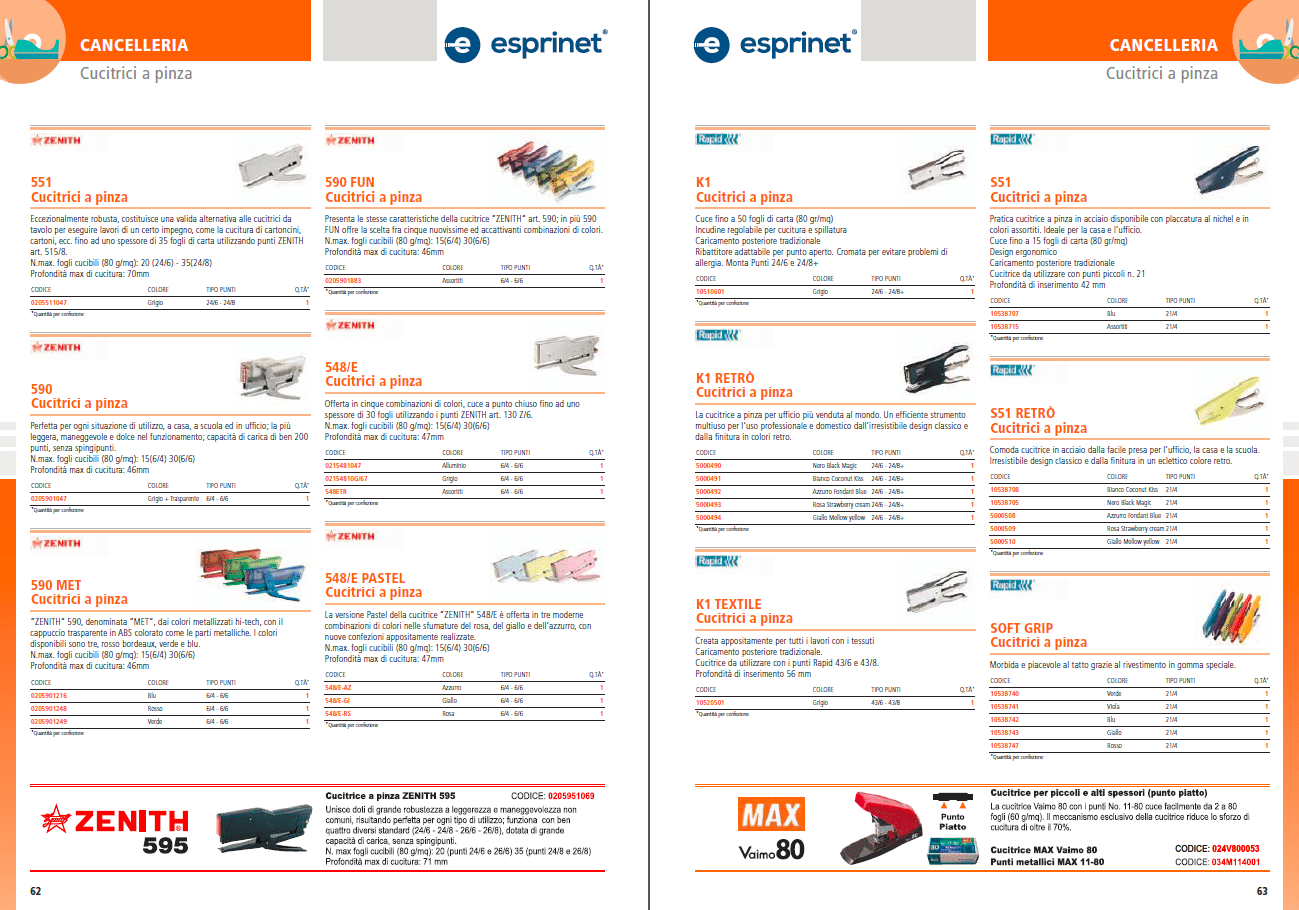
- Visual elements: diagrams, product images, or graphs
For example, a TDS for an industrial adhesive might list its viscosity, curing time, chemical resistance, and compatible materials – all presented in a structured, easy-to-read format.
Why you need a technical data sheet
A well-crafted technical sheet serves multiple purposes:
- It helps customers and distributors choose the right product.
- It provides sales and marketing teams with reliable reference data.
- It ensures regulatory compliance by documenting critical properties and safety information.
- It reduces support requests by answering common technical questions.
For manufacturers managing thousands of SKUs, maintaining up-to-date data sheets is crucial. Without automation, revising and publishing these documents manually can be time-consuming and error-prone.
Technical data sheet vs. MSDS (Material Safety Data Sheet)
Although they may appear alike, a TDS and an MSDS have distinct functions.
A Material Safety Data Sheet (MSDS), now frequently referred to as SDS (Safety Data Sheet), emphasizes health, safety, and environmental factors, including chemical risks and handling precautions.
A Technical Data Sheet, in contrast, emphasizes product specifications and performance: how the product operates, its characteristics, and its technical details.
In various sectors (such as paints, adhesives, or coatings), both documents are essential: the TDS for performance evaluation and the SDS for safety regulations.

Types of technical data sheets
Depending on your business and products, there are several kinds of data sheet technical documents:
- Product Spec Sheet: outlines core product details, dimensions, and variants.
- Technical Spec Sheet: focuses on performance, tolerances, and testing.
- Material Spec Sheet: details physical and chemical properties of materials.
- Design Spec Sheet: provides layout, structure, and component information.
- Marketing Spec Sheet: combines technical and commercial content for sales support, together with other marketing collateral materials.
Each serves a distinct role, but all share the same goal: providing accurate and consistent technical information.

How to create a technical data sheet with Pagination
The first step in creating a professional technical data sheet is to start with clean, structured product data. No matter where your information is stored – Excel, ERP, or PIM systems – the process begins by collecting all relevant details, including product specifications, performance metrics, materials, certifications, and visuals.
With Pagination database publishing, this process becomes fully automated:
- The platform connects directly to your data source and your InDesign template to generate perfectly formatted PDFs and InDesign files, in any language, for any product line. Check here for a technical data sheet template.
- Each technical sheet is produced instantly, maintaining brand consistency and ensuring that every piece of information stays accurate and up to date.
For example, a manufacturer managing hundreds of materials can use Pagination to automatically generate all their TDS documents after a database update.
- It’s the case of American Bath Group, that thanks to Pagination is automating the creation of technical sheets that are then automatically uploaded to the DAM. You can read more about ABG case study here.
Thanks to InDesign automation applied to technical data sheets, companies save hours of manual work, reduce errors, and guarantee consistency across global markets.
 Best practices for managing and updating technical sheets
To get the most out of your technical data sheet system, consider the following best practices:
- Centralize your data in a single source of truth (ERP, PIM, or database).
- Version-control your documents to track updates and revisions.
- Integrate automation to produce multi-language and market-specific versions.
- Collaborate across teams to keep design, technical, and marketing aligned.
- Schedule periodic updates to reflect new product developments or regulations.
Following these steps ensures your technical sheets remain accurate, compliant, and easy to distribute.
Conclusion
A technical data sheet is much more than a compliance document: it’s a communication tool that connects your product’s performance to your customers’ needs.
By automating its creation with Pagination, you can produce hundreds of accurate, branded, and multilingual technical sheets directly from your data in just a few minutes.
Ready to simplify your documentation workflow?
Contact Pagination to see how you can generate your next technical data sheets automatically.
